
Why I Chose to Dive into Ocean Conservation and Its Life Changing Impact
- WaveWorks
- 3 days ago
- 3 min read
The ocean covers more than 70% of our planet, yet many people don’t realize how fragile this vast ecosystem truly is. My journey into ocean conservation began with a simple snorkeling trip that quickly turned into a deep commitment to protect marine life and habitats. This post shares my personal experience and why ocean conservation matters not just to me, but to all who care about the future of our planet.
Discovering the Ocean’s Hidden World
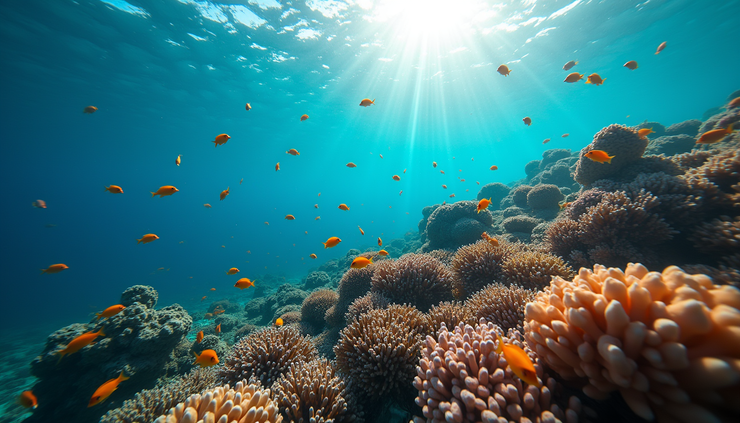
When I first put on my mask and snorkel, I expected to see some fish and maybe a turtle. What I found was a bustling underwater city full of life and color. The coral reefs were like underwater gardens, home to countless species of fish, crustaceans, and other marine wildlife. This close encounter made me realize how much life depends on the ocean’s health.
Unfortunately, I also saw signs of damage: bleached corals, plastic debris, and areas where marine life was scarce. These observations made me understand that ocean conservation is not just about protecting pretty scenes but about saving entire ecosystems that support life on Earth.
Hands-On Experience in Ocean Conservation
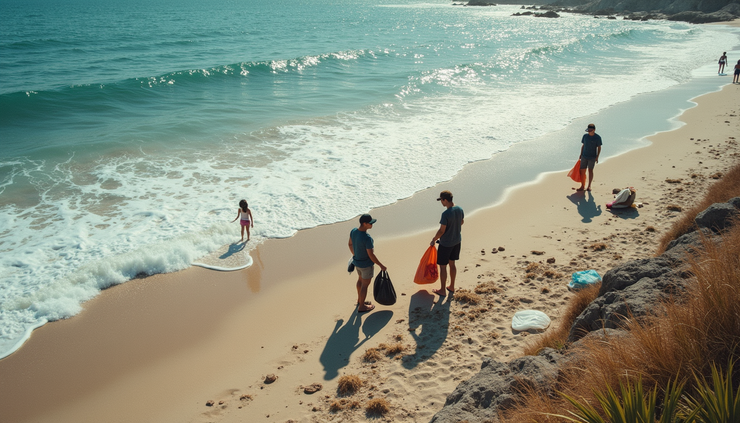
I decided to get involved directly by joining local conservation projects. One of the most impactful experiences was participating in a beach cleanup and coral restoration program. Collecting trash from the shoreline showed me how much human activity affects marine environments. Plastic waste, in particular, poses a severe threat to wildlife, often entangling animals or being ingested with fatal consequences.
Working on coral restoration involved planting coral fragments to help damaged reefs recover. This hands-on work gave me hope because it showed that conservation efforts can reverse some of the harm done. It also taught me that ocean conservation requires patience, dedication, and community support.
What I Learned from Volunteering
Every small action counts: Picking up a few pieces of trash can prevent harm to marine animals.
Marine ecosystems are interconnected: Damage in one area affects the entire food chain.
Education is key: Sharing knowledge about ocean conservation encourages others to act.

The Impact on My Life and Perspective
Getting involved in ocean conservation changed how I see the world. It made me more aware of my daily choices, from reducing plastic use to supporting sustainable seafood. I also developed a deeper respect for marine wildlife and the delicate balance that keeps ocean ecosystems thriving.
This experience taught me that ocean conservation is not just a cause but a lifestyle. It means making decisions that protect the ocean’s health and encouraging others to do the same. The ocean connects us all, and its wellbeing affects climate, food security, and biodiversity.
How You Can Help Protect Our Oceans
If you love the ocean as much as I do, there are practical ways to contribute to conservation efforts:
Reduce single-use plastics: Use reusable bags, bottles, and containers to cut down on ocean pollution.
Support marine protected areas: These zones help preserve critical habitats and wildlife.
Choose sustainable seafood: Look for certifications that ensure fish are caught responsibly.
Participate in local cleanups: Join community events to remove trash from beaches and waterways.
Educate yourself and others: Share facts about ocean conservation to raise awareness.
Every action, no matter how small, helps protect marine life and the ocean’s future.
Comments